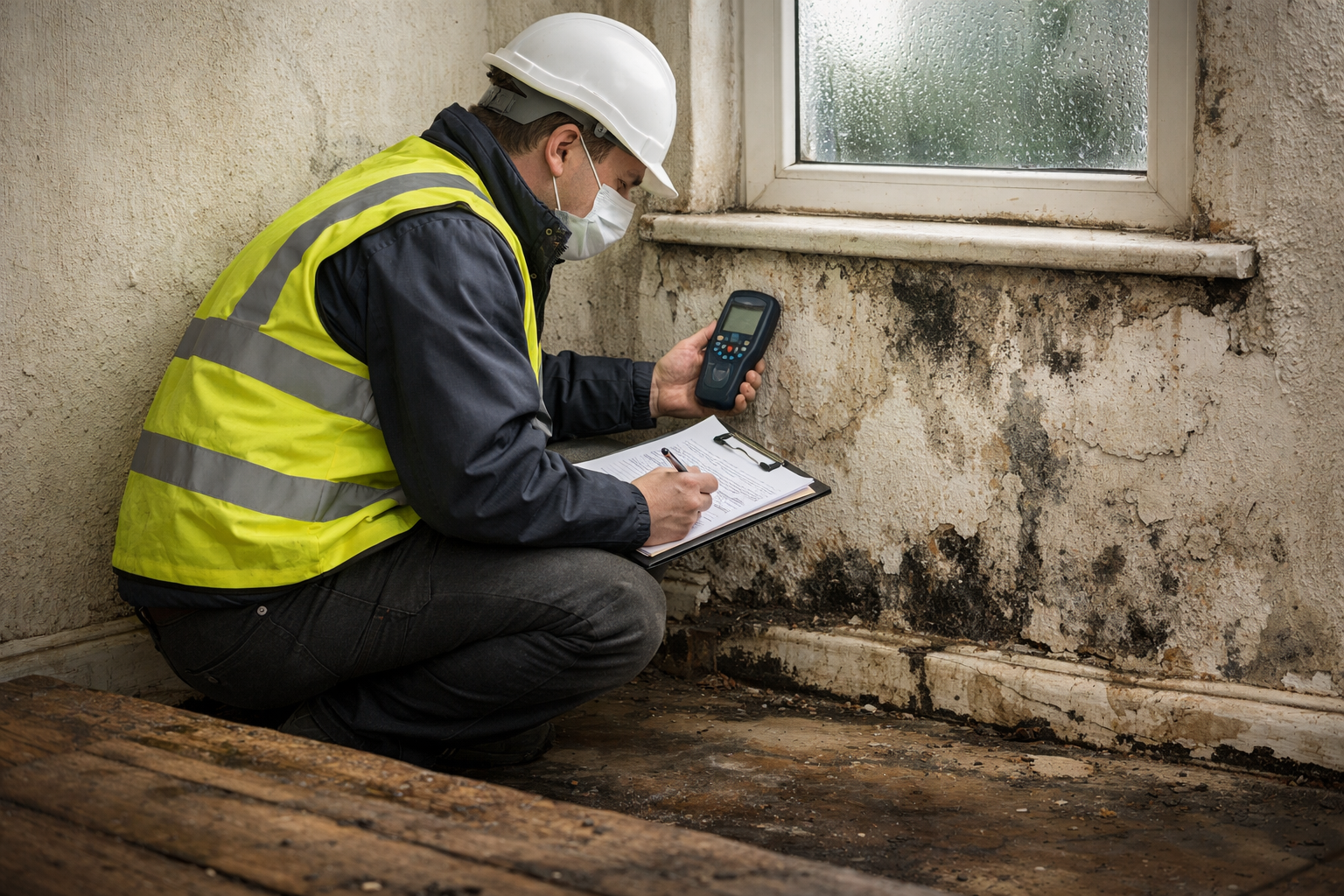
Damp and Mould in Rental Properties: Legal Responsibilities for Landlords
Damp and mould remain some of the most common and persistent issues affecting rental properties across the UK. From older properties with poor damp proofing to modern homes lacking adequate ventilation, these problems can arise in a wide range of property types.
In recent years, high-profile cases and growing media attention have highlighted the serious health risks linked with exposure to damp and mould, putting greater pressure on landlords to act responsibly.
Legislation such as the Homes (Fitness for Human Habitation) Act 2018 and the Social Housing (Regulation) Act 2023 have increased tenants’ rights and made landlord obligations clearer. Landlords must now take a more proactive approach to identifying, managing and resolving issues.
This blog outlines what landlords need to know, from understanding damp and mould to meeting their legal responsibilities and avoiding costly consequences.
Damp vs Mould
Although often used interchangeably, damp and mould are not the same thing.
Damp refers to the presence of excess moisture in a property. This moisture can come from a range of sources, including rising groundwater, water ingress from outside, or condensation caused by everyday living activities. There are different kinds of damp to look out for, including:
- Condensation damp – This is the most common type, resulting from warm, moist air meeting cold surfaces. This then leads to mould growth.
- Penetrating damp – Caused by water entering the property through defects such as damaged brickwork, roofing issues, or faulty guttering.
- Rising damp – Occurs when groundwater travels upward through walls due to a failed or missing damp-proof course.
Mould is a type of fungus that grows in damp conditions. It typically appears as black, green, or brown patches on walls, ceilings and furnishings. It is often accompanied by a musty or stale odour.
Causes and Effects on Properties
Damp and mould can have serious long-term consequences for the condition and value of a property if left unaddressed.
Over time, consistent moisture can lead to structural issues, particularly where timber elements are involved. The longer these problems are left, the more costly the repair.
Visible damage is also common, including:
- Peeling paint and wallpaper
- Stained or crumbling plaster
- Warped woodwork and damaged fixtures
- Mould contamination of furnishings and personal belongings
Legal Responsibilities for Landlords
Understanding and complying with legal obligations is essential for all landlords. Damp and mould are not just maintenance issues, they are legal risks. If you are a landlord, these are important obligations you need to consider:
- Duty to Provide a Habitable Property - Under the Homes (Fitness for Human Habitation) Act 2018, landlords must ensure their properties are fit for human habitation at the start and throughout the tenancy. This includes being free from health hazards such as damp and mould.
- Repairs and Maintenance Obligations - The Landlord and Tenant Act 1985 places a clear duty on landlords to maintain the structure and exterior of the property, its heating systems and drainage solutions.
- Housing Health and Safety Rating System (HHSRS) - Under this system, damp and mould are classified as a potential hazard. Local authorities have the power to inspect properties and take enforcement action where hazards are identified. This can include improvement notices requiring landlords to carry out works within a specified timeframe.
- Responding to Tenant Complaints - Landlords are expected to respond to reports of damp and mould promptly. They must investigate the issue thoroughly and arrange professional inspections where necessary, keeping a clear record of all findings and actions taken.
What Happens if Landlords Don’t Act
Failing to address these issues can lead to serious consequences. Tenants may pursue legal action, particularly where health has been affected or complaints have been ignored.
With legislation such as Awaab’s Law introducing strict response times for damp and mould hazards, failure to act quickly can significantly increase the risk of enforcement action and legal claims.
Local authorities can also issue enforcement notices, requiring remedial work to be completed. Failure to comply may result in further financial penalties or prosecution.
Protect Your Investment
Damp and mould are more than minor maintenance concerns, they are issues that directly impact property condition, tenant health and legal compliance. For landlords, the key is proactive management.
At Summit Environmental, our specialist damp and mould assessments help landlords find the source of problems and not just the symptoms. We provide clear, practical recommendations for remedial action so that you can maintain a safe living environment for your tenants and protect your investment.
Contact us today to see how we can help you manage your rental property and stay compliant.
.jpg)
.png)