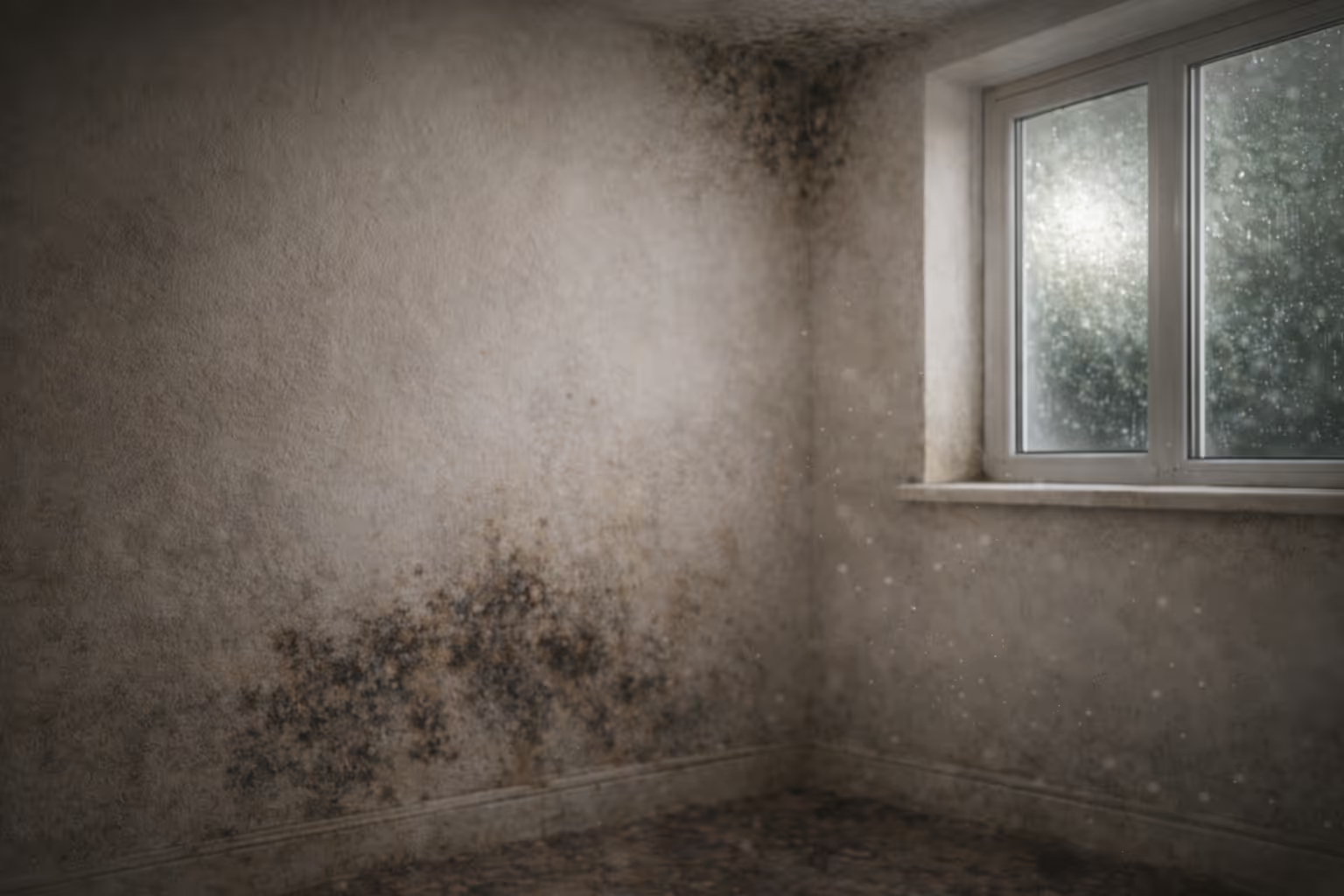
A room with a moldy wall and a window letting in light.
Services

Damp and Mould Assessments

Damp and mould can have a serious impact on both buildings and the people living or working inside them. Left untreated, damp issues can lead to mould growth, damage to internal walls and finishes, poor indoor air quality and increased health risks for occupants.
Get Started
Damp and Mould

What is a Damp and Mould Assessment?

A damp and mould assessment is a detailed property inspection carried out to identify signs of damp, mould growth, excess moisture and related defects within a building.

Our damp and mould services are designed to help clients:

  • Identify damp and mould problems at an early stage
  • Understand the likely cause of moisture within the property
  • Assess potential health risks to occupants
  • Support compliance with housing responsibilities
  • Prioritise remedial works and long-term prevention

Whether the issue relates to condensation, penetrating damp, rising damp or a plumbing defect, our reports provide practical guidance you can act on.
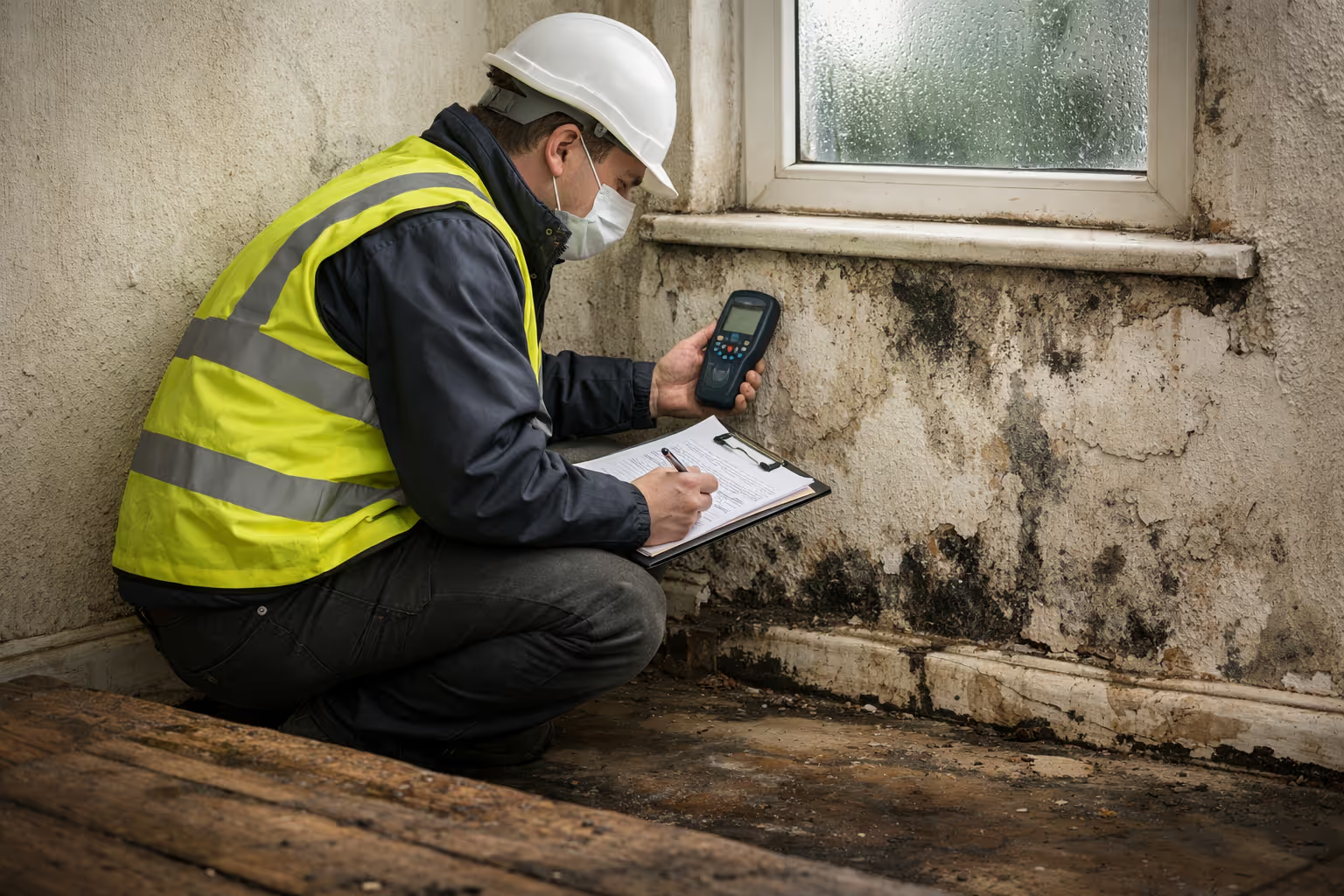
A worker wearing a hard hat and mask inspects mold on a wall, recording data on a clipboard.
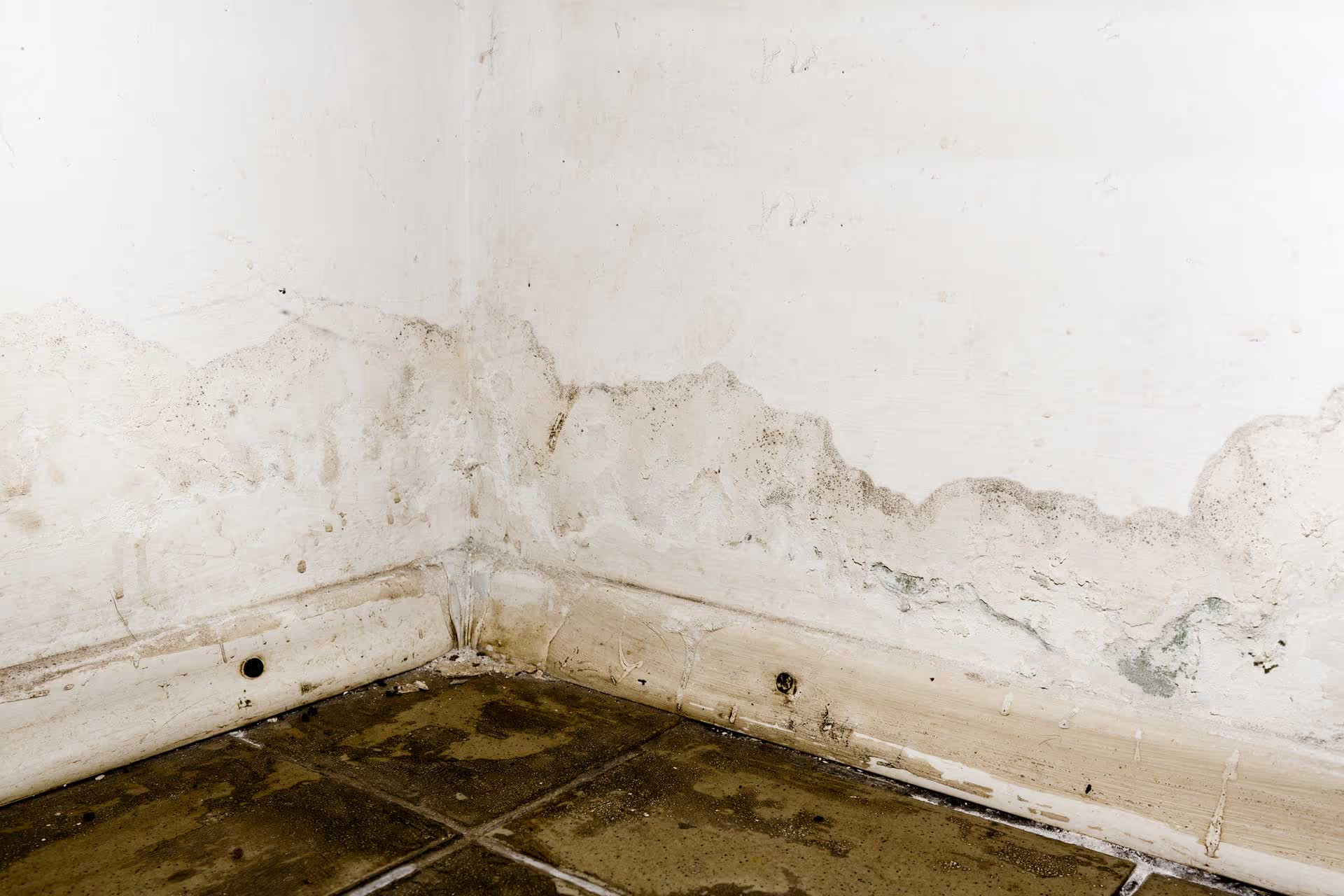
Mold and water damage on a wall corner above a tiled floor.
Damp and Mould

Common Types of Damp

Damp can appear in different ways depending on the building. During our damp survey inspections, we identify the type of damp present and its likely cause.

  • Condensation: The most common cause ofdamp and mould. It occurs when warm, moist air meets cold surfaces, leading towater droplets on windows, walls and ceilings.
  •  Penetrating Damp: Caused by waterentering from outside due to defects such as damaged brickwork, roofing issues,blocked gutters, or faulty seals.
  •  Rising Damp: Occurs when moisture travelsup from the ground through walls and floors, often where the damp proof courseis damaged or missing.
  •  Traumatic Damp: The result of a specificincident, such as a burst pipe, leak, or flooding.
Damp and Mould

Signs of Damp and Mould in a Property

Damp and mould can present in several ways and may indicate a wider moisture problem within the building. Common signs include:

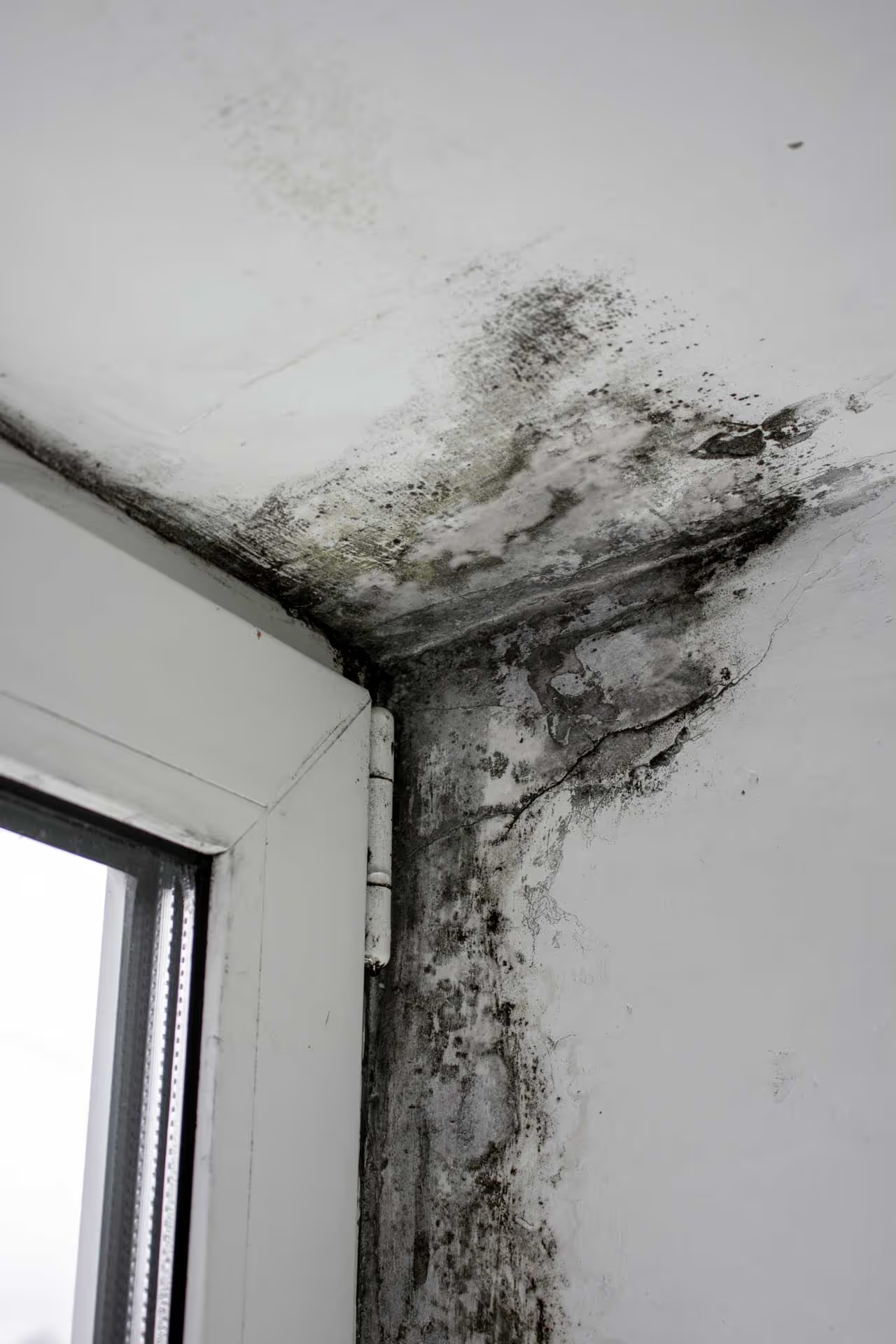
  • Black, green, or white mould growth on walls, ceilings or around windows
  • Damp staining or discolouration
  • Peeling wallpaper or flaking paint
  • Musty odours
  • Condensation on windows and cold surfaces
  • Damaged plaster or bubbling finishes
  • Warped materials, rotting timbers or damaged skirting boards
  • Cold spots on internal walls
  • Recurring mould behind furniture or in corners

These issues should not be ignored. If left untreated, damp and mould can spread, damage building materials and create unhealthy indoor conditions.

Mold growing on a corner of a white ceiling near a window.
Two people use inhalers in a moldy room with dirty walls and window.
Damp and Mould

Health Risks Associated with Damp and Mould

Damp and mould are widely recognised as significant public health concerns. Exposure to damp environments and airborne mould spores has been linked to respiratory symptoms, allergic reactions and the worsening of existing conditions.

Potential health risks may include:

  • Coughing, wheezing and breathing difficulties
  • Asthma symptoms or asthma attacks
  • Allergic rhinitis and sinus irritation
  • Itchy eyes and skin irritation
  • Worsening eczema or dermatitis
  • Increased risk for infants, older people, pregnant women and those with weakened immune systems or existing respiratory conditions
Damp and Mould

Our Damp & Mould Assessments in Sussex

At Summit Environmental, we carry out thorough damp and mould assessments to identify both the visible symptoms and the underlying cause.

  • Property Inspection: We inspect the property for signs of damp, mould growth, condensation, staining and defects contributing to excess moisture.
  • Moisture and Ventilation Review: We assess ventilation, heating patterns, cold bridging and areas where moisture may build up. Moisture testing and thermal imaging may be used where appropriate.
  • Building Defect Assessment: We review the building fabric to identify causes such as leaks, penetrating damp, rising damp, insulation gaps or poor airflow.
  • Findings and Recommendations: You will receive a clear report outlining our findings, the likely cause and practical recommendations for remedial works or further investigation.
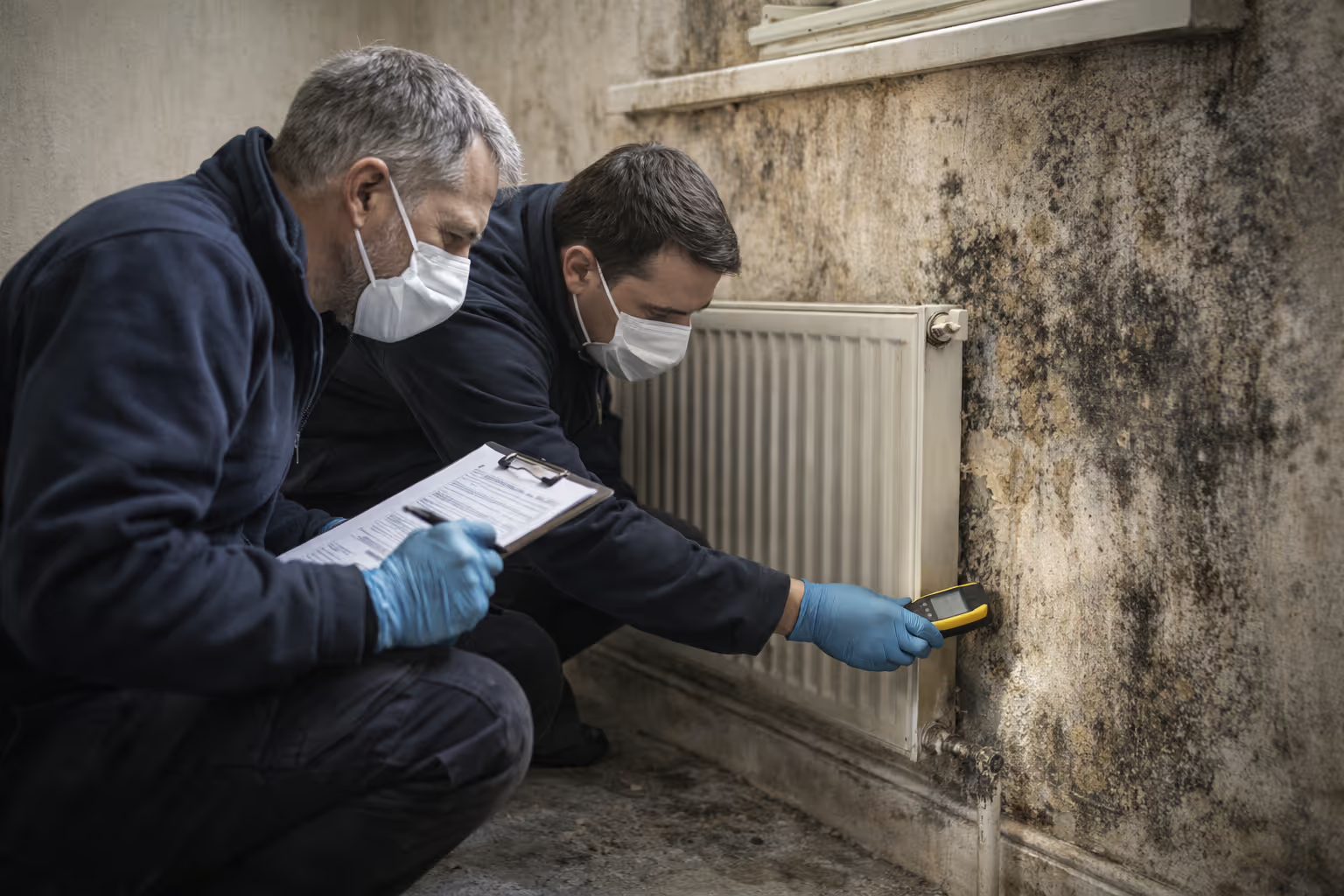
Two men wearing masks examine mold on a wall next to a radiator using a device.
Three people wearing masks discussing mold on the wall inside a room.
Damp and Mould

Damp, Mould, Compliance and Landlord Responsibilities

Landlords and housing providers have a duty to keep properties safe and fit for occupation. Damp and mould can lead to enforcement action, tenant complaints and property damage if not addressed.

For social landlords, Awaab’s Law requires emergency hazards to be investigated and made safe within 24 hours. Damp and mould hazards must be investigated within 10 working days, with a written summary provided within 3 working days and any necessary remedial works completed within a further 5 working days where a health risk is identified.

For private rented properties, obligations are set out in legislation such as the Homes (Fitness for Human Habitation) Act 2018, requiring hazards to be resolved within a reasonable timeframe.

Our assessments provide clear reporting to help landlords, property managers and housing providers understand the issue, evidence their response and plan appropriate remedial works.

Contact our team today to arrange a damp survey or speak to us about our damp and mould services in Sussex and the South East.