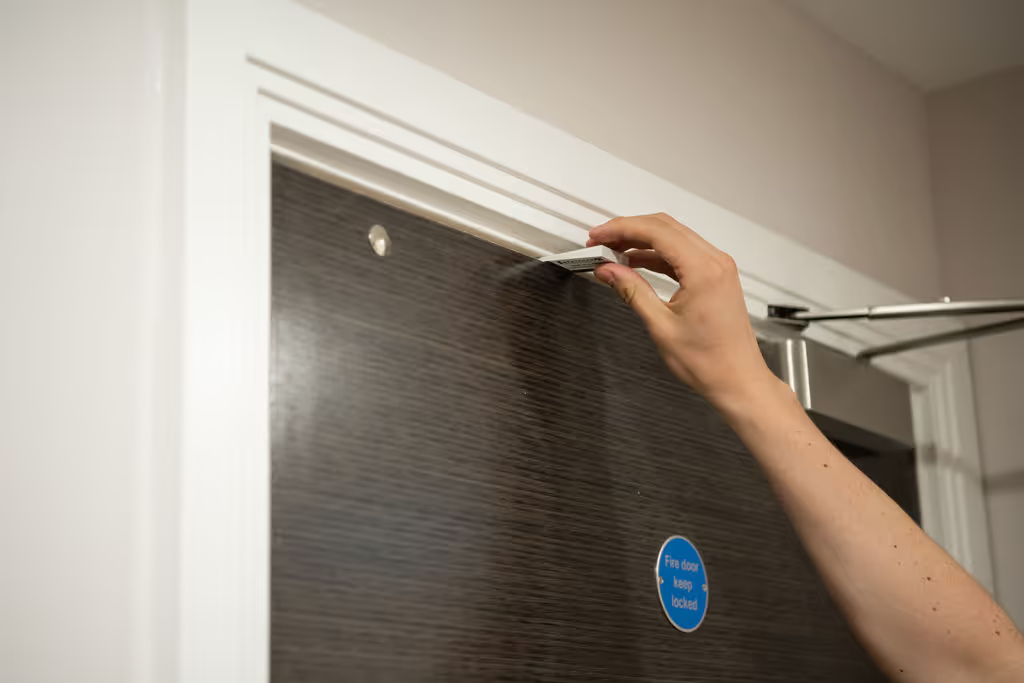
How To Manage Fire Doors in Multi-Occupancy Blocks
Fire doors are a vital safety feature in multi-occupied residential buildings, particularly in blocks of flats and other purpose built developments. Designed to slow the spread of fire and smoke, they help protect occupants and maintain safe escape routes in the event of an emergency.
However, fire doors are only effective if they are properly managed. For any property manager or building owner, ensuring fire doors are routinely maintained, inspected and assessed is not just best practice, it is a legal requirement under the Regulatory Reform (Fire Safety) Order 2005 and the Fire Safety (England) Regulations 2022.
Understanding Your Responsibilities
Under the Regulatory Reform Order 2005, the designated Responsible Person, often the property manager or landlord, must ensure that fire safety measures are suitable and sufficient.
This includes:
- Ensuring fire doors are regularly inspected as part of ongoing fire risk assessments
- Maintaining all fire doors in line with building regulations
- Keeping clear records to demonstrate compliance with the Fire Safety England Regulations
In residential buildings, particular attention must be given to communal doors and flat entrance doors, as both play a critical role in compartmentation and occupant safety.
Fire Door Inspections: What’s Required?
Routine checks and regular inspections are essential to ensure fire doors remain compliant and functional. According to the Fire Safety England Regulations 2022:
- Fire doors in communal areas of blocks of flats should be checked at least every three months
- Flat entrance doors should be inspected annually, where reasonably practicable
These regular inspections help identify defects early, ensuring doors continue to perform their role in protecting escape routes.
What Should Be Checked?
During inspections, a competent person should assess:
- Door condition and alignment
- Gaps between the door and frame
- Intumescent strips and smoke seals
- Hinges and hardware, including the closing device
- Whether the door fully closes and latches correctly
Each door should be clearly documented as part of a structured inspection regime, supporting wider fire risk assessments.
Common Fire Door Failings
Across blocks of flats and other purpose built residential buildings, several common issues are frequently identified that landlords and property managers need to look out for:
- Faulty or Missing Closing Devices - A properly functioning closing device ensures the door shuts fully after use. If this fails, the door cannot effectively contain fire and smoke, putting occupants at risk.
- Incorrect Gaps - Excessive gaps around the door can allow smoke and flames to pass through, reducing fire resistance.
- Damaged or Missing Seals - Intumescent and smoke seals are essential components. If they are missing or damaged, the door’s effectiveness is significantly compromised.
- Doors Propped Open - Fire doors that are wedged open cannot perform their intended function, leaving escape routes exposed.
- General Wear and Unauthorised Alterations - Damage, poor repairs, or modifications that do not comply with building regulations can all lead to failure.
Best Practice for Managing Fire Doors
To remain compliant, building owners and property manager teams should take a structured and proactive approach to fire door management. This includes having competent fire safety professionals carry out regular inspections, ensuring all fire doors are routinely risk assessed and keeping detailed records of all fire doors checked, where they are located and maintenance work carried out.
All residents should also be educated on the risks of keeping fire doors propped open and the importance of looking after their condition.
How Summit Environmental Can Help
We are a dedicated team of professional assessors and inspectors helping to keep multi-occupancy blocks safe and compliant. From routine fire door inspections to detailed assessments, we provide dependable support aligned with current safety standards.
Contact Summit Environmental today to find out how one of our inspectors can help you today.
.png)
.jpg)